The Science of
Forward Lean.
Clinical research, biomechanical principles, and the physical therapy methodology behind Boddie Balance™ Positioning Systems.
Why Breastmilk Matters
Micolene founded Boddie Balance because she believes no mother should stop feeding her baby because her body gives out before her will does. For millions of infants — especially the most fragile — breastmilk isn't a lifestyle preference. It's protection that cannot be replicated.
2022
AAP Policy
The American Academy of Pediatrics recommends exclusive breastfeeding for the first 6 months of life — and continuing breastfeeding for 2 years or beyond, as mutually desired.
AAP Policy Statement: "Breastfeeding and the Use of Human Milk" · Pediatrics, 2022 · Updated from the previous 1-year recommendation
Immune System Development
Breast milk contains IgA antibodies, living white blood cells, and active enzymes that transfer immune protection directly from mother to infant — protection no formula can replicate.
Cognitive Development
Multiple studies associate breastfeeding duration with improved cognitive outcomes. Human milk contains unique long-chain fatty acids (DHA/ARA) critical for brain and nervous system development.
Lifelong Health Protection
Breastfed infants have lower rates of SIDS, childhood obesity, Type 1 and Type 2 diabetes, asthma, and certain childhood cancers. Benefits extend well into adulthood.
NICU & Premature Infants
For premature and very low birthweight (VLBW) infants, mother's own milk is frontline medical treatment — not a feeding option. It reduces sepsis risk, improves neurodevelopmental outcomes, and shortens hospital stays.
NEC Prevention
Necrotizing Enterocolitis (NEC) is a devastating intestinal disease primarily affecting premature infants. Research consistently associates human milk with reduced NEC risk. Surgical NEC carries a mortality rate of approximately 20–30%, and treatment has been estimated to average $500,000 per case.
Milk Banking & Donation
Lactating parents who produce more milk than their infant needs can donate to human milk banks, where it is pasteurized and distributed to the most medically fragile infants — NICU babies whose own parents cannot produce milk.
Surrogates, Adoptive & Same-Sex Parents
Surrogate mothers who carry a baby for another family can pump and donate directly to that infant or to a milk bank. Adoptive parents and same-sex couples can also induce lactation — a medically recognized process that allows non-gestational parents to breastfeed or pump for their child.
NEC, Litigation & the Cost of Not Having Breastmilk
Necrotizing Enterocolitis affects 1–3 per 1,000 live births — but strikes up to 5–10% of very premature infants. Multiple peer-reviewed studies consistently document a surgical NEC mortality rate of approximately 20–30%, rising to 50% or more in extremely low birthweight infants. Treatment has been estimated to average $500,000 per case in the United States, with total annual U.S. costs estimated between $500 million and $1 billion.Sources: APSA Pediatric Surgery NaT · PMC4411777 · Pediatric Surgery International, 2025
Research consistently shows an association between exclusive human milk diets and significantly reduced NEC risk in premature infants compared to cow's-milk-based formula. Families across the United States have filed lawsuits against major formula manufacturers alleging failure to warn about this association. As of mid-2026, approximately 775 cases are consolidated in a federal multidistrict litigation (MDL-3026) in the Northern District of Illinois, with state court juries awarding significant verdicts in multiple cases.
The 2021 and 2026 AAP Clinical Reports on human milk for VLBW infants confirm: mother's own milk, followed by donor human milk, is the nutritional standard of care for premature infants. Formula is a last resort — not a default.
Founder's Mission
“No mother should have to stop feeding her baby because her body gave out before her will did. And no infant — especially the most fragile — should go without the protection only human milk can provide, simply because we failed to make expression comfortable enough to sustain.”
— Micolene Boddie, PT, AT, CSCS · Founder & CEO, Boddie Balance™
NICU Babies. Brighter Tomorrows.
Human milk, donor milk, and why pumping support matters for the smallest babies.
≈355,000
U.S. babies admitted to a NICU each year
CDC/NCHS, 2024¹
≈48,000
U.S. babies born under 3.3 lb (1,500 g) each year
CDC/NCHS, 2024¹
≈50%
lower NEC risk — donor human milk vs. formula for very preterm / VLBW infants
Quigley et al., Cochrane, 2019³
13M oz
pasteurized donor human milk dispensed by HMBANA milk banks in 2025
HMBANA, 2026⁵
¹Estimates based on CDC/NCHS rates applied to 2024 U.S. births; not official counts.
Why Human Milk Works Like Medicine
- For very low birthweight infants, human milk as the base diet is associated with lower rates of necrotizing enterocolitis (NEC), late-onset sepsis, chronic lung disease, and retinopathy of prematurity.
- When mother's own milk is unavailable, insufficient, or contraindicated, the AAP recommends pasteurized donor human milk.
Parker MG, Stellwagen L, Miller ER, et al. Promoting Human Milk and Breastfeeding for the Very Low Birth Weight Infant: Clinical Report. Pediatrics. 2026;157(2):e2025073625⁴
Where Donor Milk Comes From
- Pasteurized donor human milk comes from screened lactating donors who have milk beyond their own baby's needs.
- Milk banks collect, screen, pasteurize, culture-test, and safely distribute donor milk to medically fragile infants.
Human Milk Banking Association of North America (HMBANA). Nonprofit Milk Banks Dispense Record 13 Million Ounces of Donor Milk in 2025. 2026⁵
What Helps Moms Pump Well
- An effective, comfortable double-electric pump
- Early and frequent milk expression
- NICU lactation support and technical help
- Skin-to-skin care and a clear pumping plan
Better pumping support helps mothers build and protect milk supply for babies who need it most.
Parker MG, et al. Pediatrics. 2026⁴
The Cost of Doing Nothing
When breastfeeding support falls short, the costs show up in complications, greater reliance on donor milk and formula, and national economic losses. One U.S. analysis estimated that reaching 90% compliance with breastfeeding recommendations could save $3.7 billion in pediatric health costs plus $10.1 billion from premature death related to pediatric disease.
Bartick M, Reinhold A. The burden of suboptimal breastfeeding in the United States: a pediatric cost analysis. Pediatrics. 2010;125:e1048–e1056⁶
Bottom Line
Supporting mothers to pump efficiently and effectively is part of protecting NICU babies.
Sources
- CDC/NCHS. FastStats: Birthweight and Gestation; FastStats: Infant Health. U.S. final data for 2024.
- Martin JA, Osterman MJK. Increases in Neonatal Intensive Care Admissions in the United States, 2016–2023. NCHS Data Brief No. 525. 2025.
- Quigley M, Embleton ND, McGuire W. Formula versus donor breast milk for feeding preterm or low birth weight infants. Cochrane Database Syst Rev. 2019;7:CD002971.
- Parker MG, Stellwagen L, Miller ER, et al. Promoting Human Milk and Breastfeeding for the Very Low Birth Weight Infant: Clinical Report. Pediatrics. 2026;157(2):e2025073625.
- Human Milk Banking Association of North America (HMBANA). Nonprofit Milk Banks Dispense Record 13 Million Ounces of Donor Milk in 2025. 2026.
- Bartick M, Reinhold A. The burden of suboptimal breastfeeding in the United States: a pediatric cost analysis. Pediatrics. 2010;125:e1048–e1056.
Four Independently Researched Principles.
One System.
Boddie Balance is the only positioning system engineered to support all four evidence-based factors that influence comfortable, effective milk expression — simultaneously.
Stress suppresses milk. Relaxation restores it.
The cortisol-oxytocin relationship is well established: stress hormones inhibit the oxytocin release required for letdown. A 2024 JAMA Pediatrics meta-analysis found relaxation interventions significantly increase expressed milk volume. Feher et al. (Pediatrics, 1989) found NICU mothers given relaxation audio produced measurably more milk. Kendall-Tackett (2007) documents the full inflammatory pathway: distress elevates cortisol, suppresses oxytocin, and can delay lactogenesis II. Nagel et al. (Clinical Therapeutics, 2022) confirmed the same pathway in a narrative review of postpartum populations.
JAMA Pediatrics 2024 meta-analysis · Feher et al., Pediatrics 1989 (PMID 2642620) · Kendall-Tackett, Int. Breastfeeding Journal 2007 (PMID 17397549) · Groer & Kendall-Tackett, How Breastfeeding Protects Women's Health, Praeclarus 2011 · Nagel et al., Clinical Therapeutics 2022 (PMID 34937662)
The only system that eliminates forward-lean strain.
Forward-leaning is the body's natural working posture — but holding it without support creates significant musculoskeletal strain. Independent breast-pump patents explicitly cite this discomfort as the reason women cannot sustain the optimal pumping position. Chantry et al. (Breastfeeding Medicine, 2009) found that comfort during expression significantly influences technique and output, particularly in early postpartum. OSHA ergonomics research documents that proper full-body support reduces strain and enables sustained, productive positioning.
OSHA Ergonomics Guidelines · NIOSH · Chantry et al., Breastfeeding Medicine 2009 (PMID 19519669) · Independent breast-pump patent disclosures
Free hands free the body to release tension.
Hands-free pumping allows the body to fully let go — reinforcing the relaxation response and supporting oxytocin release. Morton et al. (Stanford University / Journal of Perinatology, 2009) documented that combining hands-on technique with electric pumping significantly increased daily milk volume in pump-dependent NICU mothers. Nancy Mohrbacher, IBCLC, FILCA developed the widely used educational framework for hands-on pumping based on this research.
Morton J et al., Journal of Perinatology 2009 (PMID 19571815) · Mohrbacher N, Breastfeeding Answers Made Simple, Hale Publishing 2010
Lean forward. Let gravity assist.
Named clinical protocols — authored by Jack Newman, MD, FRCPC and Lenore Goldfarb, PhD, IBCLC (Canadian Breastfeeding Foundation) — explicitly direct mothers to lean forward so gravity assists milk movement toward the nipple. Independent breast-pump patents confirm that forward-leaning provides a directional advantage for milk flow. Gravity assists as a secondary aid to the pump's suction — and the Boddie Balance system is the only one built to make that position sustainable.
Ramsay et al., Journal of Anatomy 2005 (PMID 15960763) — lactating breast anatomy; Geddes, J. Midwifery & Women's Health 2007 (PMID 17983990) · Newman-Goldfarb Lactation Protocols (Jack Newman MD · Lenore Goldfarb PhD, IBCLC) · CDC hand expression guidance · Independent breast-pump patent disclosures
Each pillar is independently supported by published research. No other positioning system on the market combines all four. That is the Boddie Balance difference.
Clinically Studied
Preliminary Single-Subject Case Study
Forward-lean positioning · 2026
IRB Study Underway"Forward-leaning positioning promotes relaxation and uses gravity — supporting increased flow rate and increased volume of breastmilk using the same pump with the chair vs. without the chair."
We conducted a preliminary clinical study which yielded faster pumped breastmilk flow rates with the Restful Pump® Chair with Boddie Balance™ Positioning System than without the chair using the same pump. The subject — a first-time mother and physician-in-training — provided exceptionally credible, self-recorded research data. Her medical training enabled precise, objective measurement throughout the study period.
Why Forward-Lean Works.
Designed by a licensed Physical Therapist using established principles of biomechanics, gravity, and postural alignment.

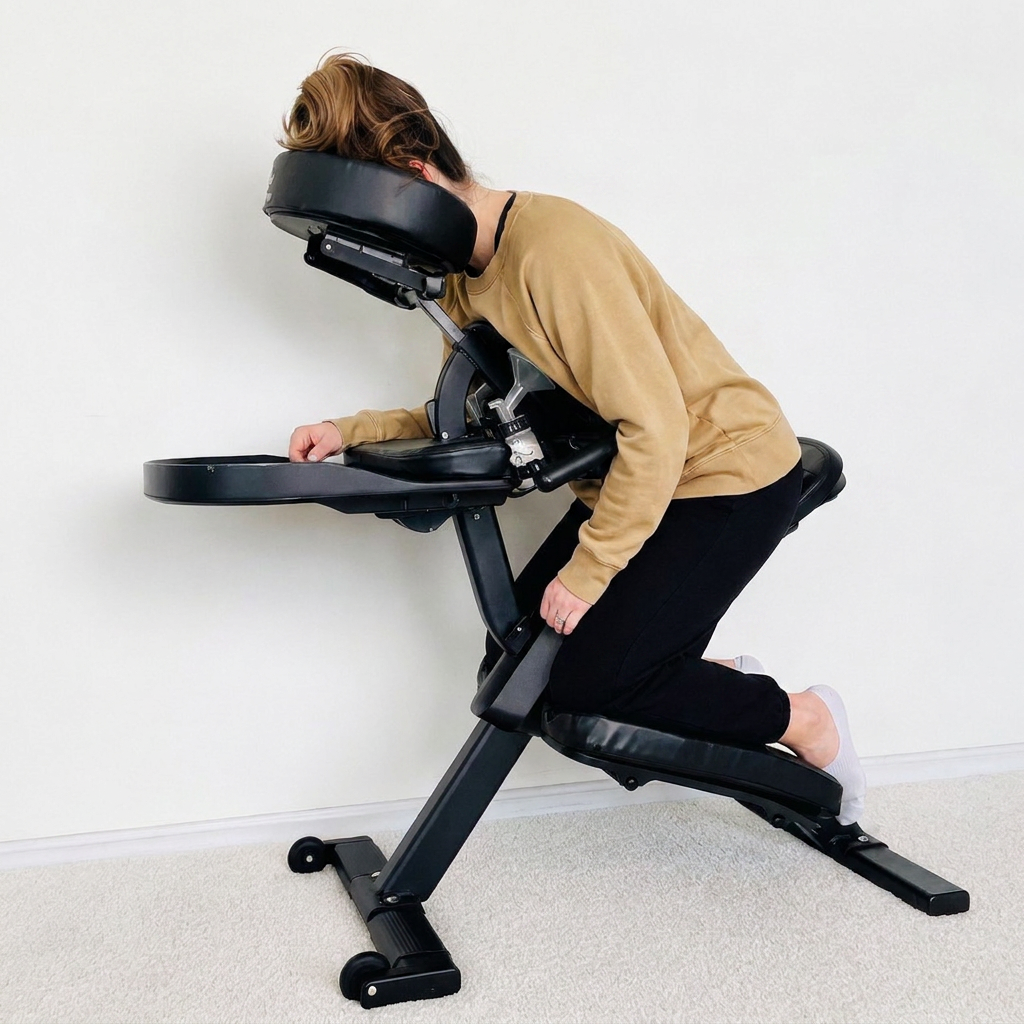
Gravity-Assisted Milk Flow
Traditional chairs support a reclined position — but gravity assists milk expression when the body leans forward. The 30° forward angle puts gravity to work, increasing milk flow rate and reducing session time.
Full Body Support
Hunching over in a standard chair places strain on the neck, shoulders, and back. The forward-lean position with full body support allows the spine to rest in a more natural alignment — reducing the discomfort of prolonged pumping sessions.
Promotes Relaxation
The supported forward-lean position promotes relaxation and uses gravity for efficient milk flow — allowing mothers to rest, nap, or work comfortably during sessions.
Hands-Free — True Multitasking
Flanges sit in holders in the forward position. No hands required to hold them in place. This enables rest, work, or sleep during sessions — reducing the psychological burden of pumping as a time-intensive obligation.
The First Milk. Irreplaceable.
And Harder to Collect Than Most Know.
Colostrum — the milk produced in the first days after birth — is biologically unique and cannot be replicated by formula. Published research documents both its extraordinary value and the very real barriers mothers face in collecting it.
Why Postnatal Colostrum Collection Is So Challenging
Volumes Are Naturally Very Small
Published research documents average expressed colostrum volumes of approximately 10.3 mL in the first 48 hours postpartum — highly variable and often alarming to new mothers. Within 3 hours of birth, only 60% of mothers were able to express any milk at all.
Kato et al., Breastfeeding Medicine, 2021 · PMID 34529518
Stress and Separation Suppress Expression
In qualitative research with NICU mothers, expressing milk was described as universally difficult. Anxiety about low volumes, physical exhaustion, and separation from the newborn were documented as compounding barriers that often went unaddressed by clinical staff.
Rossman et al., Advances in Neonatal Care, 2018 · PMID 29300195
Psychological Distress Delays Lactogenesis
A 2022 narrative review found that maternal psychological distress disrupts oxytocin release, may suppress prolactin, and is linked to delayed secretory activation (delayed lactogenesis II) — reducing both volume and breastfeeding duration.
Nagel et al., Clinical Therapeutics, 2022 · PMID 34937662
Hand Expression Outperforms Pumps Early On
In the first 48 hours postpartum, gentle manual hand expression was found to yield more colostrum than electric pumps. Comfort during expression significantly influences technique and output — underscoring how much positioning and physical ease matter in these critical first days.
Chantry et al., Breastfeeding Medicine, 2009 · PMID 19519669
Every Milliliter Has Measurable Immunological Value
Colostrum — especially from mothers of preterm infants — is exceptionally rich in secretory IgA, lactoferrin, and immune cells. Even very small amounts delivered orally to NICU infants have been shown to raise immunological markers. Nothing is too small to collect.
Castellote et al., Journal of Nutrition, 2011 · PMID 21508211 · Ferreira et al., JPGN, 2019 · PMID 30964820
Comfort, Positioning, and Relaxation Are Not Optional
The same cortisol-oxytocin pathway that governs milk letdown governs colostrum expression. Anything that helps a mother relax — comfortable positioning, hands-free support, reduced physical strain — directly supports the hormonal environment needed for expression.
Kendall-Tackett, Int. Breastfeeding Journal, 2007 · PMID 17397549 · Groer & Kendall-Tackett, Praeclarus 2011
Collecting Colostrum Before Birth — A Growing Practice
An increasing number of expectant mothers — particularly those with diabetes in pregnancy — are collecting and storing small amounts of colostrum in the weeks before their due date. Published research has established safety and documented benefits.
Safety Established in Landmark RCT
The DAME trial — a multicentre RCT published in The Lancet (2017) — found that antenatal colostrum expression from 36 weeks did not increase preterm birth rates or NICU admissions in women with diabetes in pregnancy. This established ACE as safe in this specific population and prompted broader clinical interest in making prenatal expression more accessible and comfortable for all mothers.
Forster DA et al., The Lancet, 2017 · PMID 28589894
Population: Women with diabetes in pregnancy only. Not a general-population finding.
Reduces Formula Use at Birth
A key benefit of prenatal colostrum collection is the availability of stored colostrum if supplementation is needed in the first hours or days after birth — providing an alternative to formula for newborns whose mothers face any delay in milk coming in. Mothers who expressed antenatally had higher rates of exclusive breastfeeding at 3 months in secondary analysis.
O'Sullivan & Ihlein, Proceedings of the Nutrition Society, 2024 · PMID 39397521
Systematic review of ACE evidence
Volumes Are Small — And That Is Expected
In the DAME trial, approximately half of participants collected 5 mL or less in total across all prenatal sessions. Clinical guidance recommends 1 mL syringes for storage. A few milliliters is a successful and meaningful collection — and knowing this in advance supports maternal confidence rather than discouragement.
O'Sullivan & Ihlein, Proceedings of the Nutrition Society, 2024 · PMID 39397521
Typical volumes from published trial data
UK Clinical Guidelines Support ACE
NICE Guideline NG3 (Diabetes in Pregnancy) recommends antenatal colostrum expression as an option for women with diabetes who wish to breastfeed, from 36 weeks for those at low risk of preterm birth. Women at risk of premature labor are advised against ACE. This represents formal clinical guideline endorsement of the practice.
NICE Guideline NG3, Diabetes in Pregnancy — National Institute for Health and Care Excellence (UK)
UK clinical guideline; no current equivalent ACOG guideline in the US
Whether collecting colostrum before birth or in the critical first hours after — comfort, relaxation, and ergonomic support matter. The same four principles the Boddie Balance system is built on apply from the very first drop.
The Physical Cost of Pumping
Without Support.
Published research across multiple countries documents a consistent finding: the majority of breastfeeding and pumping mothers experience significant musculoskeletal pain — neck, shoulders, upper and lower back — directly attributed to poor positioning during sessions.
84%
back pain at least monthly
Ratajczak et al., BMC Musculoskeletal Disorders, 2024
81.7%
breastfeeding-related MSK pain
AlMohri et al., BMC Women's Health, 2026
74%
musculoskeletal pain while nursing
Cross-sectional survey, Pakistan cohort
51.7%
breastfeeding-related neck pain
Agboola et al., International Health, 2023 · PMID 35871267
Why Unsupported Forward Lean Causes Chronic Strain
For every inch the head moves forward of its neutral spinal position, the effective compressive load on the cervical spine approximately doubles — a well-established biomechanical principle. A pumping mother who hunches forward unsupported for 20–40 minutes, multiple times per day, applies this load repeatedly over months. The result is progressive cervical, thoracic, and lumbar strain that goes far beyond temporary discomfort.
Sheikhhoseini et al., J. Manipulative & Physiological Therapeutics, 2018 · PMID 29753546 · Aburub et al., Breastfeeding Medicine, 2023 · PMID 36378819
Supported Forward Lean Is Not the Same as Hunching
Published research consistently distinguishes between unsupported postures and ergonomically supported positions. Prolonged static loading in an unsupported posture drives pain outcomes. The Boddie Balance system — with kneepads, headrest, and full trunk support — maintains the forward-lean orientation while distributing body weight and removing the static muscular load that causes injury. This is the distinction the product is built on.
Applied Ergonomics, biomechanical analysis of breastfeeding positions, 2023 · DOI 10.1016/j.apergo.2023.103991
Pain Makes Mothers Stop Breastfeeding Earlier
Pain in the neck, shoulder, and back during feeding was directly linked to mood disruption, interrupted sleep, and earlier-than-intended cessation of breastfeeding. Every intervention that reduces musculoskeletal strain extends breastfeeding duration — and the benefits of extended breastfeeding for both mother and infant are extensively documented.
Aburub et al., Breastfeeding Medicine, 2023 · PMID 36378819 · Ratajczak et al., BMC Musculoskeletal Disorders, 2024
Anatomy: Why Gravity Assists Drainage
Landmark ultrasound research remapped the lactating breast and found that milk ducts are collapsible, superficial, and branch radially from the alveoli toward the nipple. Forward lean aligns glandular tissue gravitationally toward the nipple — assisting the mechanical drainage of already-ejected milk through the ductal system. This is the anatomical basis for the forward-lean positioning approach endorsed by IBCLCs and CDC guidance.
Ramsay et al., Journal of Anatomy, 2005 · PMID 15960763 · Geddes, J. Midwifery & Women's Health, 2007 · PMID 17983990
Incomplete Drainage Doesn't Just Mean Less Milk.
It Can Become a Medical Problem.
Published clinical guidelines and research document a clear progression: poor positioning → incomplete drainage → blocked ducts → mastitis → abscess. Each step is preventable with positioning that supports complete, comfortable breast emptying.
01
Blocked Ducts & Engorgement
Poor positioning — particularly unsupported hunching — compresses superficial milk ducts and restricts drainage of specific breast segments. Professional guidance from IBCLCs and the Academy of Breastfeeding Medicine recommends positioning with the chin or nose pointed toward the blocked area to drain the affected segment. Forward lean with full support enables the mother to vary position comfortably.
ABM Clinical Protocol #4, 2014 · PMID 24911394 · ABM Protocol #36, 2022 · PMID 36378818
02
Mastitis
Mastitis — inflammation of breast tissue, often progressing to infection — affects approximately 20.5% of breastfeeding mothers in the first 6 months. Incomplete milk drainage is identified as a primary contributing factor. The ABM's mastitis spectrum protocol establishes adequate milk removal as central to both prevention and treatment.
Amir et al., BMC Public Health, 2007 · PMID 17439641 · ABM Protocol #36, Breastfeeding Medicine, 2022 · PMID 36378818
03
Breast Abscess
Breast abscess develops as a complication of lactational mastitis in 3–11% of mastitis cases. The progression pathway — poor drainage → blocked duct → mastitis → abscess — is well-documented in surgical and infectious disease literature. Early, complete milk removal and positioning that supports full drainage are front-line prevention strategies.
Kataria et al., Indian Journal of Surgery, 2013 · PMID 24465512 · Giess et al., JACR, 2018
Chronic musculoskeletal strain and tissue complications from pumping are not inevitable — they are the result of a positioning problem that has never had a dedicated solution. Boddie Balance Positioning Systems was built specifically to address it.
The Evolving Science of
Milk Removal & Breast Tissue Health.
Contemporary peer-reviewed research has changed how clinicians understand milk expression, breast tissue mechanics, and the progression of lactation-related complications. Boddie Balance was designed with these principles in mind.
Re-thinking “Plugged Ducts”
Contemporary lactation research questions the traditional idea that a “plugged duct” is a glob of thick milk requiring physical removal. Peer-reviewed analysis proposes that many of these palpable areas are better understood as inflammation and ductal narrowing — not a discrete plug to push out. The authors note there is no evidence supporting the idea that lactiferous ducts become simply blocked by sticky milk or fat globules. This changes how clinicians approach both prevention and management.
Douglas P, et al. “Re-thinking benign inflammation of the lactating breast: Classification, prevention, and management.” Women's Health. 2022. PMID 35441543
Physiologic Milk Removal — Not Aggressive Emptying
The Academy of Breastfeeding Medicine's 2022 Mastitis Spectrum Protocol challenges older approaches centered on aggressive breast massage or forceful stimulation. The protocol cautions that excessive mechanical pressure can cause capillary injury, tissue trauma, and worsen inflammation. Contemporary guidance centers on physiologic, frequent milk removal — not forcing “complete emptying,” which can increase milk production and heighten inflammation and edema in an already compromised breast.
Mitchell KB, et al. Academy of Breastfeeding Medicine Clinical Protocol #36: The Mastitis Spectrum, Revised 2022. Breastfeeding Medicine. 2022;17(5):360–376. DOI: 10.1089/bfm.2022.29207.kbm
Milk-Removal Efficiency Is Measurable
A peer-reviewed randomized study compared simultaneous versus sequential breast expression and found that expression technique measurably affects milk ejections, total volume removed, percentage of available milk removed, and cream content. This establishes that the mechanics of milk expression directly influence milk removal outcomes — making maternal positioning a legitimate, important scientific research question.
Prime DK, Garbin CP, Hartmann PE, Kent JC. Simultaneous breast expression in breastfeeding women is more efficacious than sequential breast expression. Breastfeeding Medicine. 2012;7(6):442–447. PMID 23039397
The Boddie Balance Design Distinction: Sternum Support, Not Breast Compression.
Contemporary lactation research identifies external mechanical pressure on breast tissue as a concern — particularly in the context of inflammatory breast conditions. Published guidance cautions against focused or prolonged pressure on the breast, and specifically against aggressive massage that can cause capillary injury and tissue trauma.
The Boddie Balance Positioning System was designed to support the mother through her sternum and chest — not through the breasts or abdomen. This means the breasts are not required to bear the mother's body weight during a pumping session. That is a design description, not a medical claim — but it reflects a deliberate engineering decision that aligns with the published scientific emphasis on minimizing unnecessary mechanical stress on breast tissue during milk expression.
“Published lactation research has identified milk-removal technique, breast inflammation, ductal narrowing, tissue pressure, and mechanical trauma as important factors in understanding lactation-related breast conditions. Contemporary clinical guidance emphasizes physiologic milk removal while avoiding excessive breast stimulation and mechanical pressure. Boddie Balance was designed as a supported positioning system, creating an opportunity to investigate whether maternal positioning influences the mechanics and efficiency of milk expression.”
Douglas P et al., Women's Health 2022 · Mitchell KB et al., ABM Protocol #36, Breastfeeding Medicine 2022 · Zakarija-Grković & Stewart, Cochrane Database of Systematic Reviews 2020
Cochrane Systematic Reviews: The Evidence Base
Two Cochrane reviews — the highest tier of published medical evidence — document the clinical significance of milk removal mechanics and breast tissue health during lactation.
Cochrane Review · 2020
Treatments for Breast Engorgement During Lactation
Describes breast engorgement as overfilling of the breasts with milk, occurring when breasts are not emptied sufficiently. Documents its known progression to breast pain, inflammation, cracked nipples, reduced milk supply, mastitis, and premature cessation of breastfeeding. Evaluates treatment interventions across a rigorous systematic review framework.
Zakarija-Grković I, Stewart F. Treatments for breast engorgement during lactation. Cochrane Database of Systematic Reviews. 2020;9:CD006946. DOI: 10.1002/14651858.CD006946.pub4. PMID 32944940
Cochrane Review
Methods of Milk Expression for Lactating Women
Evaluated 34 studies involving 1,998 participants comparing different methods of milk expression, measuring effectiveness, safety, milk composition, and other outcomes. Establishes that the mechanics and efficiency of milk expression are legitimate and important scientific research questions — with measurable differences in outcomes based on expression method and technique.
Becker GE, Smith HA, Cooney F. Methods of milk expression for lactating women. Cochrane Database of Systematic Reviews. PMID 25722103
Beyond Milk Volume.
The clinical study documented improvements across multiple dimensions of the pumping experience.
Increased Volume. Increased Flow Rate.
A preliminary case study documented increased flow rate and increased volume of breastmilk using the same pump with the chair vs. without the chair. A second IRB-supervised study is underway.
Reduced Mastitis Risk
Research indicates that improved milk drainage with efficient and effective pump sessions reduces the risk of clogged ducts and mastitis — a leading cause of early breastfeeding cessation.
Hands-Free Positioning
Being hands-free allows mothers to work on a device or perform efficient self-guided therapeutic tissue massage for more effective pump sessions.
Productive Multitasking
Mothers returning to work can manage email during a pump session rather than losing 20–30 minutes per session juggling bottles, pumps, and laptops in an unsupported spine position. Having the ability to rest or work removes the psychological burden of pumping as a disruptive, uncomfortable obligation.
Spinal & Postural Relief
Being physically supported as we sit reduces the hunched-forward posture typical of standard chairs. Comfort and relaxation matter — stress and discomfort make pumping harder. The chair is designed to help you feel supported.
Rest for Anyone Who Sits
Ergonomic full-body support promotes genuine relaxation — for dozing during a pump session, a power nap at your desk, or a time-out during a demanding day. Partners, support parents, remote workers, and anyone managing chronic sleep deprivation use this chair exactly the same way.
Supported Full Body Forward Lean
Kneepads On · Headrest On
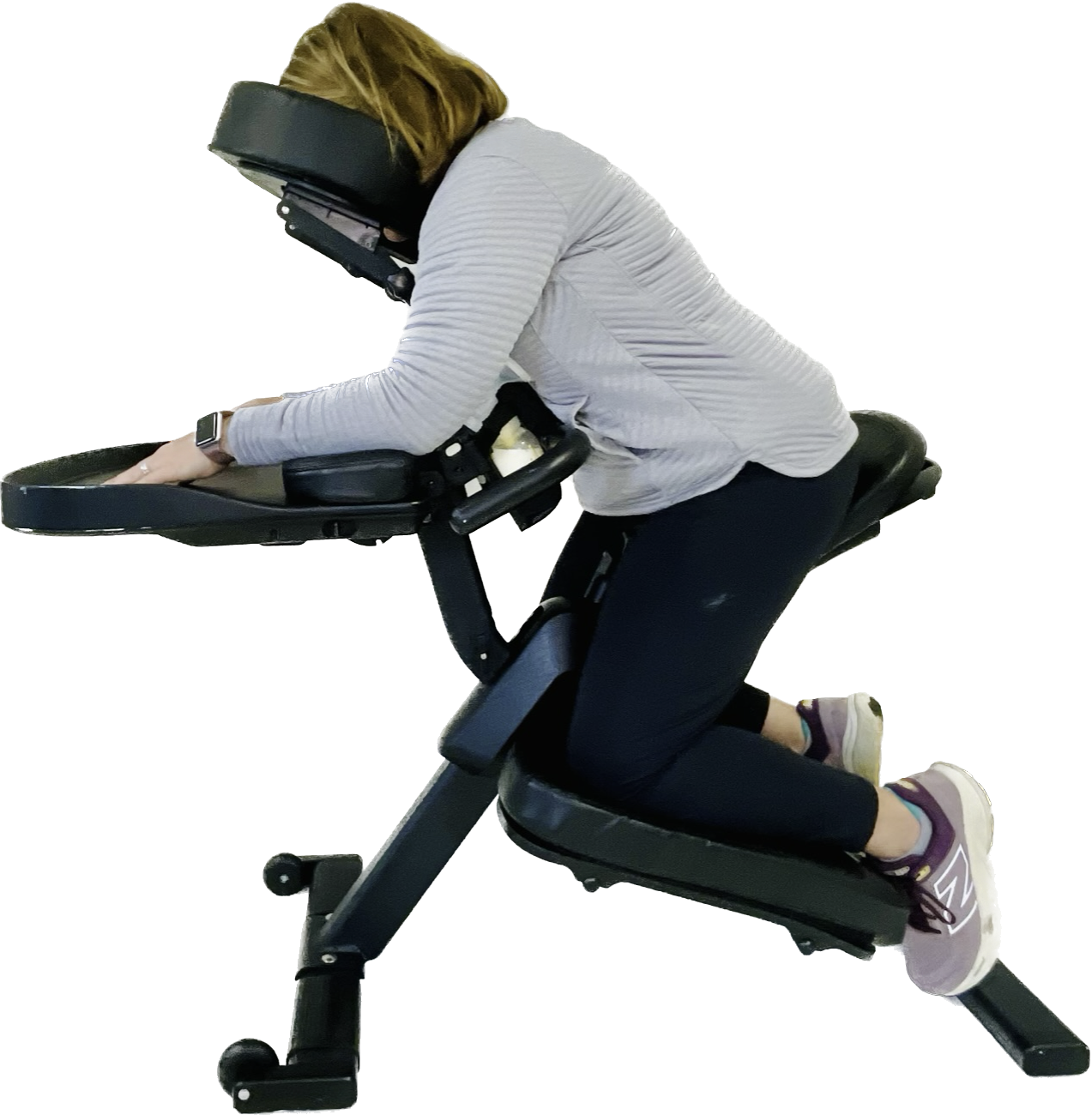
45°
Restoration
Maximum forward lean
Gravity-assisted flow
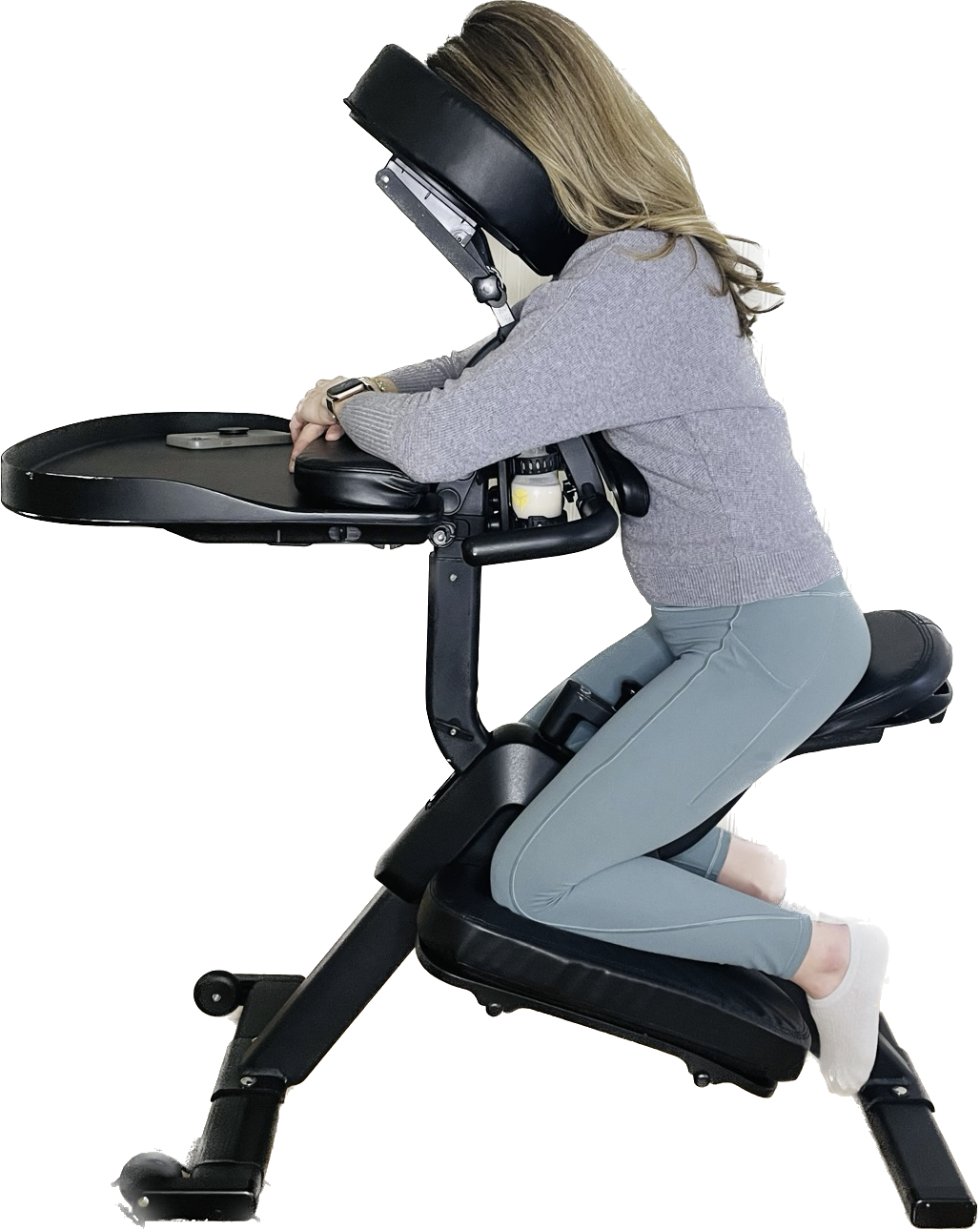
30°
Upright Rest
Work, pump, or rest
Gravity-assisted flow
IRB-Supervised Clinical Study
Building on the preliminary single-subject case study, a second IRB (Institutional Review Board)-supervised clinical study is currently underway. IRB oversight provides the independent ethical review and methodology standards required for rigorous clinical research.
This study will expand the evidence base with a broader subject pool and more rigorous controlled methodology — strengthening the clinical and regulatory foundation for Boddie Balance™.
Watch
The System in Action
Video coming soon
ABC Kids Expo · Las Vegas 2025
Live demonstration with industry visitors on the expo floor

Restful Pump® was featured on this award-winning national public television series — watch the full segment.
Watch the Feature →Empowered Program · Public Television
Award-winning national series · Full segment available
Clinical References
Boddie Balance research and educational content is grounded in published, peer-reviewed medical and scientific literature. Key references are listed below by category.
Breastmilk Benefits & Infant Health
- American Academy of Pediatrics. Policy Statement: Breastfeeding and the Use of Human Milk. Pediatrics. 2022.
- Altobelli E, et al. The Impact of Human Milk on Necrotizing Enterocolitis. Nutrients. 2020;12(5):1322. PMID 32397319
- Patel AL, et al. Impact of Initiating Human Milk Feedings on Rates of Late-Onset Sepsis in VLBW Infants. J Perinatol. 2013;33(7):514–519. PMID 23370608
- Feher SK, et al. Increasing Breast Milk Production for Premature Infants with a Relaxation/Imagery Audiotape. Pediatrics. 1989;83(1):57–60. PMID 2642620
Stress, Oxytocin & Milk Suppression
- Kendall-Tackett KA. A New Paradigm for Depression in New Mothers: The Central Role of Inflammation and How Breastfeeding and Anti-Inflammatory Treatments Protect Maternal Mental Health. Int Breastfeed J. 2007;2:6. PMID 17397549
- Nagel EM, et al. The Psychosocial Aspects of Breastfeeding Exclusivity and Duration. Clinical Therapeutics. 2022;44(2):226–236. PMID 34937662
- Frontiers in Nutrition. Meta-analysis: Relaxation interventions and expressed breast milk volume. 2024.
Breast Anatomy & Milk Expression Mechanics
- Ramsay DT, et al. Ultrasound Imaging of Milk Ejection in the Breast of Lactating Women. Pediatrics. 2004;113(2):361–367. PMID 14754950
- Ramsay DT, et al. Anatomy of the Lactating Human Breast Redefined with Ultrasound Imaging. J Anat. 2005;206(6):525–534. PMID 15960763
- Geddes DT. Inside the Lactating Breast: The Latest Anatomy Research. J Midwifery Womens Health. 2007;52(6):556–563. PMID 17983990
- Prime DK, Garbin CP, Hartmann PE, Kent JC. Simultaneous Breast Expression in Breastfeeding Women Is More Efficacious than Sequential Breast Expression. Breastfeeding Medicine. 2012;7(6):442–447. PMID 23039397
- Becker GE, Smith HA, Cooney F. Methods of Milk Expression for Lactating Women. Cochrane Database of Systematic Reviews. PMID 25722103
- Morton J, et al. Combining Hand Techniques with Electric Pumping Increases Milk Production in Mothers of Preterm Infants. J Perinatol. 2009;29(11):757–764. PMID 19571815
Breast Tissue Health, Mastitis Spectrum & Ductal Narrowing
- Mitchell KB, Johnson HM, Rodríguez JM, et al. Academy of Breastfeeding Medicine Clinical Protocol #36: The Mastitis Spectrum, Revised 2022. Breastfeeding Medicine. 2022;17(5):360–376. DOI: 10.1089/bfm.2022.29207.kbm
- Douglas P, et al. Re-thinking Benign Inflammation of the Lactating Breast: Classification, Prevention, and Management. Women's Health. 2022. PMID 35441543
- Zakarija-Grković I, Stewart F. Treatments for Breast Engorgement During Lactation. Cochrane Database of Systematic Reviews. 2020;9:CD006946. DOI: 10.1002/14651858.CD006946.pub4. PMID 32944940
- Pustotina O. Management of Mastitis and Breast Engorgement in Breastfeeding Women. J Matern Fetal Neonatal Med. 2016;29(19):3121–3125. PMID 26513602
- Amir LH, et al. Incidence of Breast Abscess in Lactating Women. BMC Public Health. 2007;7:62. PMID 17439641
- ABM Clinical Protocol #4: Mastitis, Revised March 2014. PMID 24911394
Musculoskeletal Pain & Ergonomics
- Ratajczak B, et al. Back Pain and Breastfeeding: BMC Musculoskeletal Disorders. 2024.
- AlMohri SJ, et al. Prevalence of Musculoskeletal Pain Among Breastfeeding Mothers. BMC Women's Health. 2026.
- Agboola JO, et al. Neck Pain and Breastfeeding. International Health. 2023. PMID 35871267
- Sheikhhoseini R, et al. Effective Physical Training on Forward Head Posture. J Manipulative Physiol Ther. 2018. PMID 29753546
- Aburub AS, et al. Musculoskeletal Pain Associated with Breastfeeding Posture. Breastfeeding Medicine. 2023. PMID 36378819
- Applied Ergonomics. Biomechanical Analysis of Breastfeeding Positions. 2023. DOI 10.1016/j.apergo.2023.103991
- Chantry CJ, et al. Lactation-Related Nipple Pain, Breastfeeding Duration, and Exclusivity. Breastfeeding Medicine. 2009. PMID 19519669
Colostrum, Antenatal Expression & NICU
- Kato T, et al. Expressed Breast Milk Volume at 48 Hours. Breastfeeding Medicine. 2021. PMID 34529518
- Rossman B, et al. “I Have to Try”: The Breastfeeding Experiences of Mothers of Very Low Birthweight Infants. Advances in Neonatal Care. 2018. PMID 29300195
- Forster DA, et al. Antenatal Milk Expression by Women with Diabetes in Pregnancy (DAME): Multicentre Randomised Controlled Trial. The Lancet. 2017. PMID 28589894
- O'Sullivan TA, Ihlein L. Antenatal Colostrum Expression: Proceedings of the Nutrition Society. 2024. PMID 39397521
- NICE Guideline NG3. Diabetes in Pregnancy: Management from Preconception to the Postnatal Period. National Institute for Health and Care Excellence, UK.
- Castellote C, et al. Premature Delivery Influences the Immunological Composition of Colostrum and Transitional and Mature Human Milk. J Nutr. 2011. PMID 21508211
NICU & Donor Milk — NICU Awareness
- CDC/NCHS. FastStats: Birthweight and Gestation; FastStats: Infant Health. U.S. final data for 2024.
- Martin JA, Osterman MJK. Increases in Neonatal Intensive Care Admissions in the United States, 2016–2023. NCHS Data Brief No. 525. 2025.
- Quigley M, Embleton ND, McGuire W. Formula versus donor breast milk for feeding preterm or low birth weight infants. Cochrane Database Syst Rev. 2019;7:CD002971.
- Parker MG, Stellwagen L, Miller ER, et al. Promoting Human Milk and Breastfeeding for the Very Low Birth Weight Infant: Clinical Report. Pediatrics. 2026;157(2):e2025073625.
- Human Milk Banking Association of North America (HMBANA). Nonprofit Milk Banks Dispense Record 13 Million Ounces of Donor Milk in 2025. 2026.
- Bartick M, Reinhold A. The burden of suboptimal breastfeeding in the United States: a pediatric cost analysis. Pediatrics. 2010;125:e1048–e1056.
Ready to Experience the Science?
Reserve your Boddie Balance chair and be among the first to use the only forward-lean positioning system of its kind.